Purgatorio
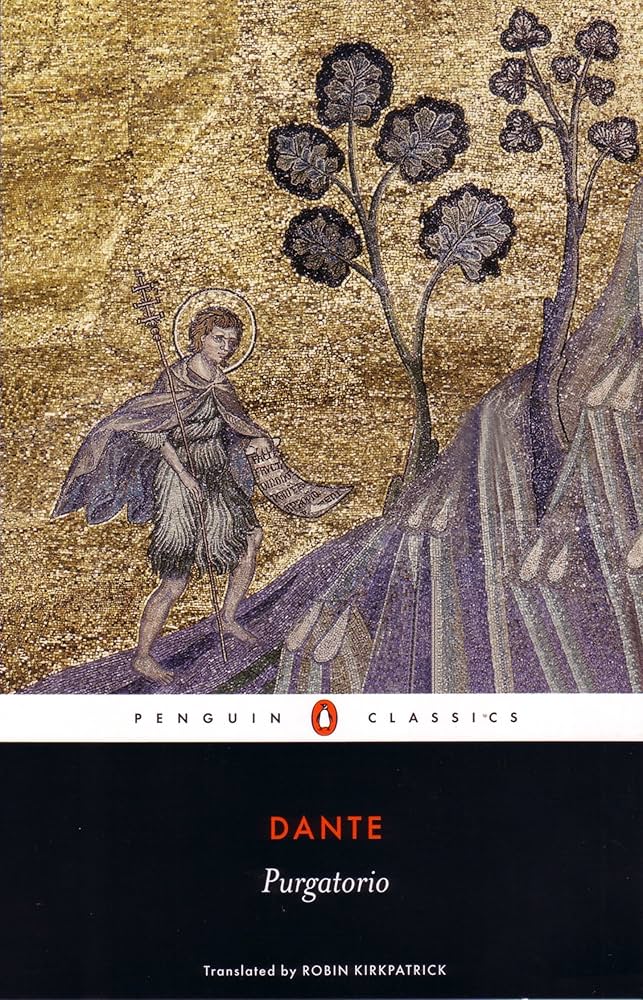
Purgatorio: The Climb Towards Moral Clarity
In Purgatorio, the second cantica of the Commedia, Dante turns from the fixity of damnation to the possibility of moral renewal. It is the most introspective and ethically rich section of the poem, focusing less on punishment than on purification. Souls here are not condemned but healed, and their suffering is directed towards reintegration rather than retribution.
The structure of Mount Purgatory reflects the soul’s gradual movement away from sin through contrition and discipline. Each terrace addresses a different vice, but unlike in Hell, these souls support one another. Communal prayer and mutual aid replace isolation and bitterness. This vision of solidarity, shaped by the logic of divine charity, represents a profound shift in moral tone.
Dante’s language also changes. The tempo slows, the images soften, and the narrative becomes more reflective. Philosophical dialogues with figures like Marco Lombardo or Statius examine free will, history, and grace. These encounters offer not only theological insights but also poetic meditations on what it means to grow in moral awareness.
The Earthly Paradise at the poem’s climax marks a decisive turning point. With the departure of Virgil, human reason reaches its limit. Dante must now be guided by Beatrice, who embodies divine wisdom. Their reunion, marked by tears and forgiveness, is deeply personal but also symbolic. It represents the pilgrim’s readiness to move beyond rational virtue into the realm of love and revelation.
Purgatorio often goes unread, yet it holds the ethical core of the Commedia. It is a poem about the hard work of becoming whole, about time, memory, and the possibility of change.